Dropping the Mask: Why Some Adult Creators Are Betting Their Careers on Being Completely Open
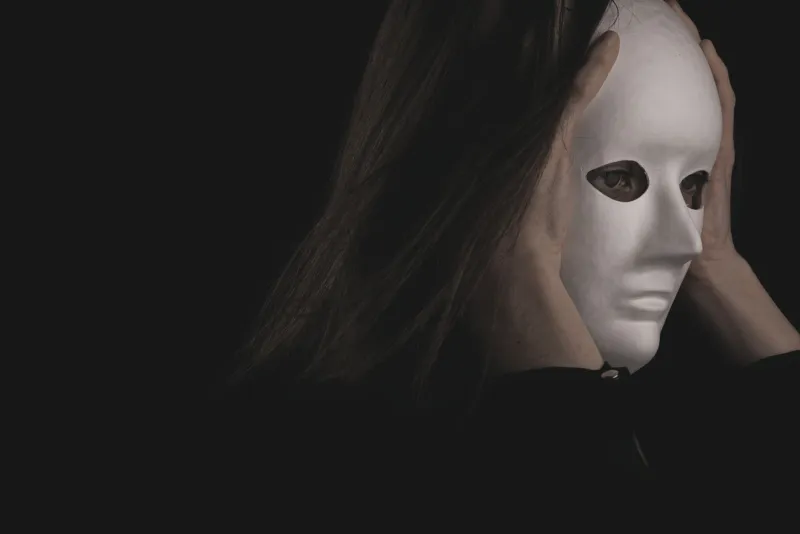
For years, the conventional wisdom in adult content creation has been consistent and unambiguous: protect your identity like your life depends on it. Use a stage name. Keep your location vague. Never let subscribers know where you actually live, what you look like without your performance persona, or anything that could connect the professional version of you to the private one.
That playbook is starting to crack.
A small but visible group of adult creators — particularly those building their businesses on subscription platforms rather than traditional tube sites — are doing something that would have been considered reckless five years ago. They're telling their audiences exactly who they are. Real name, real city, real backstory. And in a lot of cases, it's working.
The Parasocial Economy Is Changing the Math
To understand why some creators are making this shift, you have to understand how subscriber economics have evolved. The adult streaming business isn't just about content anymore — it's about connection. Fans aren't just paying for videos; they're paying for access to a person they feel they know.
That dynamic puts a premium on authenticity in a way that didn't exist when the dominant model was anonymous content on free platforms. When your revenue depends on whether subscribers renew month after month, the question of how much they trust and connect with you becomes a direct financial variable.
"There's a ceiling on how much someone will invest in a persona they know is constructed," said one creator based in Austin who recently transitioned from a stage-name-only approach to sharing her real first name and general location with her subscriber base. "At some point, if they feel like they're talking to a character rather than a person, the connection stops growing."
She's seen her renewal rate climb since making the shift. She attributes part of that to the content itself getting more personal, and part to subscribers feeling like they're in on something real rather than watching a performance.
What Transparency Actually Looks Like in Practice
It's worth being precise about what "radical transparency" means in this context, because it's not monolithic. Most creators making this shift aren't publishing their home addresses or legal surnames. What they're doing is selectively removing specific layers of the persona barrier — sharing their first name instead of a stage name, mentioning their city, talking openly about their actual lives and backgrounds in subscriber Q&As, or showing their face in contexts that clearly aren't "performance" mode.
The goal is to signal genuine personhood without eliminating all protective distance. One creator in Phoenix described it as "letting people see the edges of the real me without handing them a map to my front door."
That distinction matters, but security professionals are quick to point out that the line between "some real information" and "enough real information to find you" is thinner than most people realize.
The Security Experts Are Worried
Talk to anyone who works in digital privacy or creator safety, and their reaction to this trend ranges from concerned to alarmed.
"People dramatically underestimate how much can be inferred from small pieces of information," said one online safety consultant who works with content creators. "You mention your city. You've shown your car in a video. You talked about your gym. You post on a schedule that implies a rough neighborhood. Any one of those is fine. Put them together and you've given a determined person a lot to work with."
The threat landscape for adult creators is real and documented. Stalking, doxxing, and harassment campaigns targeting performers are not hypothetical risks. The creator community has lost people to violence linked to their public-facing identities. That context doesn't disappear because the monetization model has shifted.
Some safety experts also push back on the framing that transparency is a choice made freely. "There's a subscriber expectation dynamic at play here," one noted. "If enough creators in a niche start sharing more personal information, it can create implicit pressure on others to do the same to stay competitive. That's not really a free choice — that's the market pushing people toward risk."
Why Some Creators Are Doing It Anyway
The creators who've made this shift are, by and large, not naive about the risks. Most have thought about it carefully and made a deliberate calculation.
For some, the math is about audience quality rather than quantity. A subscriber base that knows more about you and connects with you as a real person tends to be more stable, more generous with tips and custom requests, and less likely to churn when a competitor offers something shiny. The economics of a smaller, deeply loyal audience can outperform a larger, shallower one.
For others, it's partly about psychological sustainability. Maintaining a completely separate persona is exhausting. The constant code-switching between the private self and the public performance self takes a toll over time, and some creators have decided that the mental health benefit of being more integrated is worth the added exposure.
"I spent two years being two completely different people and it was genuinely grinding me down," said one creator who asked to be identified only by her platform name. "I'm not fully transparent — there are still things I protect — but being able to be more myself online has made this job actually sustainable for me."
The Middle Path Most Creators Are Actually Walking
For every creator going all-in on transparency, there are many more experimenting with selective openness — sharing more than they used to, but with specific guardrails in place.
That might mean sharing a real first name but keeping a surname private. It might mean discussing a real city in general terms while never specifying a neighborhood. It might mean showing a genuine, unguarded personality without connecting it to legally identifying information.
Security consultants who work with creators generally endorse this approach over both extremes. Full anonymity, they note, has its own costs — it limits connection and can make creators more vulnerable to impersonation. Full transparency has obvious risks. The goal is a thoughtful middle ground that's calibrated to an individual creator's specific threat model and audience relationship.
What's clear is that the old blanket advice — hide everything, always — no longer maps cleanly onto how the adult content business actually works in 2024. The conversation has gotten more complicated, and the creators navigating it are doing so with more nuance than the industry's conventional wisdom gives them credit for.