AI Fakes, Real Victims: How Adult Platforms Are Fighting Back Against Synthetic Impersonation
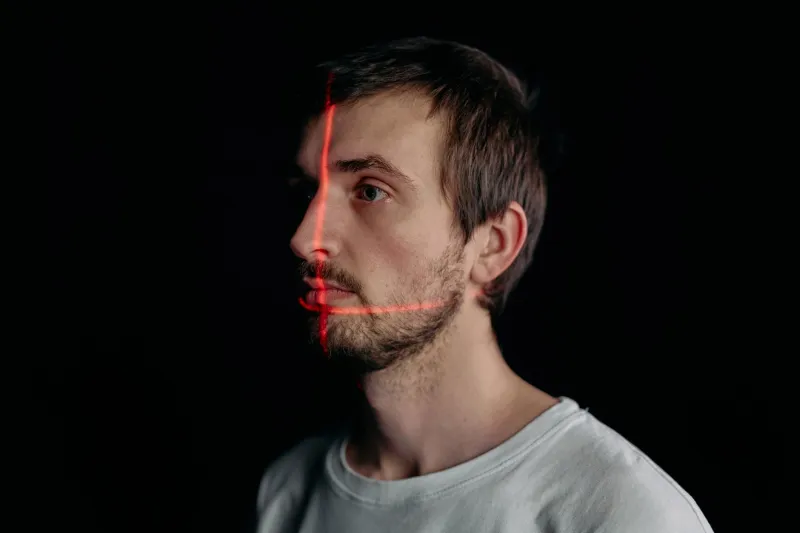
When the Fake Looks Real Enough to Fool Everyone
Not long ago, spotting a deepfake was almost easy. The lighting was off. The jaw moved a little weird. Eyes blinked at the wrong moment. Today? The gap between synthetic and real has gotten uncomfortably narrow—and nowhere is that more dangerous than in adult content.
For performers who've built careers on platforms like this one, the threat isn't hypothetical. It's showing up in their inboxes, in Google search results, and in the DMs of fans who genuinely can't tell the difference. Someone takes a public photo, runs it through a generative AI tool that costs nothing, and within minutes there's a video circulating that looks convincingly like a real performer doing something they never agreed to.
This isn't a future problem. It's a right-now problem.
The Scale Is Bigger Than Most People Realize
Researchers tracking synthetic media have noted a sharp uptick in non-consensual deepfake content targeting real individuals—and adult performers are disproportionately affected. A 2023 report from Sensity AI found that over 90% of deepfake videos online fall into the explicit category, and the overwhelming majority feature real people who never gave consent.
For platforms operating in the adult space, this creates a legal and ethical minefield. Hosting synthetic content that impersonates a real performer—even unknowingly—exposes a platform to potential liability, reputational damage, and the very real harm done to the person being faked. And unlike a stolen password or a hacked account, you can't just change your face.
The performers bearing the brunt of this aren't always the biggest names. Mid-tier and independent creators, who often have fewer resources to fight back, are getting hit just as hard.
What Platforms Are Actually Doing About It
The response from the industry has been uneven, to put it charitably. Some platforms have moved fast. Others are still figuring out where to start.
On the detection side, several major streaming services have begun integrating AI-based content scanning tools that flag uploads showing signs of synthetic manipulation—things like inconsistent skin texture, unnatural facial movement, or metadata anomalies that suggest post-processing. These tools aren't perfect. They generate false positives. They miss things. But they're a start.
Verification systems are also getting more serious attention. The logic is straightforward: if every performer on a platform has gone through a robust identity verification process, it becomes much harder for someone to upload fake content and claim it's real. Platforms that have tightened their performer onboarding—requiring government ID, live selfie verification, and signed consent documentation—have reported fewer successful deepfake uploads making it through initial review.
Watermarking is another tool getting a second look. Digital fingerprinting technology can embed invisible markers into authentic content, making it easier to track where genuine footage ends up and flag anything that attempts to replicate it without carrying the original signature.
The Cat-and-Mouse Problem
Here's the uncomfortable truth: every time a platform builds a better mousetrap, someone builds a smarter mouse.
The tools being used to generate deepfakes are evolving at a pace that's genuinely difficult for security teams to match. Open-source models that were considered cutting-edge a year ago have already been superseded by newer versions that produce cleaner output, handle motion more naturally, and leave fewer detectable artifacts. The barrier to entry keeps dropping.
Platform security engineers describe it as a perpetual arms race. Detection models get trained on known synthetic content—but the generative tools keep producing new styles of output that the detection models haven't seen yet. It's not a problem you solve once and move on from. It requires constant retraining, constant updates, and significant ongoing investment.
Smaller platforms, operating on tighter margins, often can't afford that kind of infrastructure. Which means the weakest links in the ecosystem remain vulnerable even as the bigger players shore up their defenses.
The Legal Landscape Is Starting to Catch Up
For a long time, performers dealing with deepfake impersonation had limited legal recourse. Existing laws around defamation, copyright, and privacy didn't map cleanly onto the specific harm caused by synthetic explicit content. That's slowly changing.
As of 2024, a growing number of US states have passed or are actively considering legislation specifically targeting non-consensual deepfake pornography. Texas and Virginia were early movers. California has expanded its existing revenge porn statutes to cover synthetic content. And at the federal level, there's been renewed momentum around bills that would create a national standard—though Congress being Congress, nothing has crossed the finish line yet.
For platforms, this legislative activity matters in a practical sense. It's shaping what due diligence looks like legally. Platforms that can demonstrate they've implemented reasonable detection and removal systems are in a much better position than those that haven't tried at all.
Performer advocacy groups have been pushing hard for stronger protections, and some have started publishing their own platform accountability scorecards—rating services based on how quickly they respond to deepfake takedown requests, whether they have dedicated reporting channels, and whether they proactively scan for synthetic content rather than waiting for complaints.
What Actually Works—And What Doesn't
Talk to enough people working on this problem and a few clear patterns emerge.
What works: robust upfront verification, proactive scanning rather than reactive takedowns, fast-response dedicated reporting systems, and industry-wide information sharing so platforms aren't each reinventing the wheel on detection.
What doesn't work: relying entirely on user reports (too slow, too inconsistent), treating this as a one-time technical fix (it isn't), and assuming that because a platform is smaller it's less of a target (it's often more of one, precisely because defenses are weaker).
The performers who've navigated this most successfully tend to be the ones who've taken a proactive approach to their own digital presence—monitoring for unauthorized content, working with platforms that take the issue seriously, and building direct relationships with their audiences so fans know where to find authentic content.
The Stakes Are High Enough to Demand More
Deepfake impersonation in adult content isn't just a technical challenge. It's a consent issue. It's a safety issue. And for the performers affected, it can be genuinely career-ending and psychologically devastating.
The platforms that take this seriously—that invest in detection, tighten their verification, and respond fast when something slips through—are the ones that deserve the trust of the creators and viewers who use them. The ones that shrug and wait for a complaint are part of the problem.
The technology to do better exists. The legal pressure to do better is building. What's left is the will to actually prioritize it—before the fakes get so good that catching them becomes nearly impossible.