Burned Out and Logging Off: The Quiet Crisis Pushing Adult Performers Away From the Camera
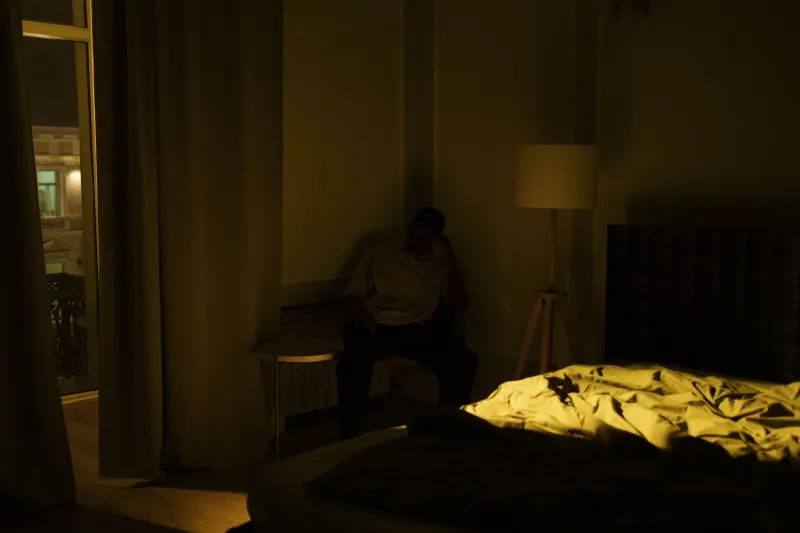
One day they're everywhere — new scenes dropping weekly, social media popping off, fan interactions on overdrive. Then, without much warning, silence. A pinned post about "taking some time," a vague note about "personal reasons," and then nothing. If you've noticed a favorite performer suddenly disappear from your feed, you're not imagining things. Burnout has become one of the defining stories of adult content creation in 2024, and it's quietly reshaping the entire streaming landscape.
The Always-On Economy Is Breaking People
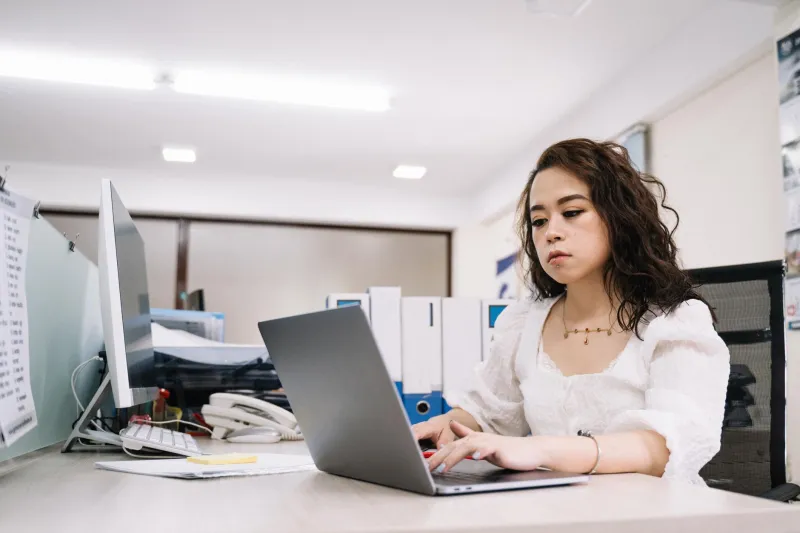
Here's the thing nobody really talks about: modern content creation in the adult space isn't just about filming scenes anymore. The job has expanded into something almost unrecognizable compared to even five years ago. Performers are now expected to maintain daily social media presence, respond to DMs, manage subscription tiers, produce behind-the-scenes content, handle their own marketing, negotiate brand deals, and stay visible on multiple platforms simultaneously — all while continuing to actually make the explicit content their audience came for in the first place.
The math doesn't work. There are still only 24 hours in a day, and the pressure to fill every one of them with monetizable output has pushed a lot of talented people straight into a wall.
Creators who built their following over years of consistent work are reporting exhaustion that goes way beyond just being tired. We're talking about the full burnout package — emotional numbness, loss of motivation, physical depletion, and a creeping sense of dread around the very work that used to feel exciting. When your job is also your body, your sexuality, and your public persona, there's no clean line between "work stress" and personal wellbeing. It all bleeds together.
What Platforms Are (and Aren't) Doing
This is where things get complicated. The major streaming platforms and subscription services have a direct financial interest in keeping performers producing content — more content means more subscribers, more watch time, more ad revenue. But that same incentive structure creates almost zero motivation for platforms to pump the brakes and ask whether their top earners are actually okay.
Some platforms have introduced creator wellness resources — mental health hotlines, optional content moderation tools, the ability to set posting schedules. But access to a hotline number buried in a help menu isn't exactly a robust support system. What performers consistently say they need — flexible earnings that don't punish breaks, genuine community support, and some protection from the relentless churn of algorithmic demands — remains largely unaddressed at the structural level.
The algorithm problem is particularly brutal. Most platforms reward recency. Stop posting for two weeks and your visibility tanks. Stop posting for a month and you might as well be starting over. For performers dealing with illness, grief, mental health crises, or just plain exhaustion, this system offers no grace whatsoever. The penalty for being human is losing your audience.
The Physical Reality Nobody Wants to Discuss
Beyond the mental and emotional load, there's a physical dimension to this burnout story that tends to get glossed over. Adult performance is physically demanding work. Repetitive strain, recovery time, health maintenance — these are real factors. Pushing through physical discomfort to meet content quotas isn't sustainable, and yet the economic pressure to keep producing often makes performers feel like they have no choice.
Established creators with larger followings have slightly more cushion — they can afford a slow week without catastrophic income loss. But even they describe hitting a point where the body just refuses to cooperate, and the mental weight of knowing every day offline costs them money makes recovery feel impossible.
For newer performers still building their audience, the calculus is even harsher. Taking time off feels like professional suicide when you're still establishing yourself. So they push through, often making the burnout worse, sometimes sustaining real harm in the process.
What This Means for Viewers in 2024
If you've noticed your content library feeling a little thinner, or favorite creators posting less frequently, this is a big part of why. The performer exodus — whether temporary breaks or full retirements — is creating real gaps in content availability, particularly in niche categories where audiences depended on specific creators who were genuinely irreplaceable.
Some of those gaps are being filled by newer performers, which isn't a bad thing. Fresh talent brings fresh energy and different perspectives. But it does mean the landscape is shifting in ways viewers can feel, even if they don't fully understand the cause.
It's also worth noting that when established performers take extended breaks, they sometimes come back with better content — more intentional, more creative, more authentic. Burnout recovery, when people actually get to do it properly, can produce a reset that benefits everyone. The problem is the industry rarely gives people the space to find that out.
Signs the Conversation Is Starting to Change
There are some encouraging signals that the adult content industry is at least beginning to reckon with this problem. Performer-led advocacy groups have gotten louder about wellness standards. Some creators have started openly discussing burnout on social media rather than quietly disappearing, which helps normalize the conversation and chips away at the stigma around admitting the work is hard.
A handful of independent platforms have experimented with features that reduce the penalty for posting breaks — things like evergreen content promotion, archive surfacing, and subscriber communication tools that let performers explain absences without losing their algorithmic footing. It's not a revolution, but it's movement.
Viewer behavior is also shifting, slowly. Audiences who follow performers closely are increasingly vocal about wanting their favorites to take care of themselves, even at the cost of less frequent content. That cultural shift, small as it is, matters.
What You Can Actually Do
If you care about the performers whose work you enjoy, the most direct thing you can do is support them financially in ways that aren't tied to posting frequency. Tip when you can. Buy content rather than just subscribing and expecting unlimited output. Leave genuine positive feedback when something resonates — not just emoji reactions, but actual comments that remind creators there are real humans on the other side of the screen who value their work.
And if someone you follow goes quiet, maybe resist the urge to immediately find a replacement and move on. A little patience and loyalty goes a long way in an industry where creators are acutely aware of how quickly audiences disappear the moment the content stops flowing.
The burnout crisis in adult content isn't going away on its own. It's a structural problem that requires structural solutions. But in the meantime, the choices viewers make every day — how they engage, what they support, how they treat creators as people rather than content machines — add up to something real.