Strapping In: What VR Is Actually Doing to the Adult Streaming Experience Right Now
For years, VR felt like a punchline — a technology that was perpetually "almost there." Clunky headsets, nausea-inducing frame rates, and a content library that felt like an afterthought made it easy to dismiss. But in 2024, something shifted. The hardware got lighter, the content got better, and adult streaming platforms quietly became some of the most aggressive adopters of immersive technology anywhere in the entertainment industry. If you haven't checked in on where VR adult content stands lately, you might be surprised at how far things have come.
The Hardware Gap Is Finally Closing
Let's be honest — a lot of the early VR experience was rough. Strapping on a first-gen Oculus felt more like a science experiment than entertainment. The field of view was narrow, the resolution was muddy, and anything shot in 180-degree or 360-degree format looked like a fever dream if the encoding wasn't dialed in.
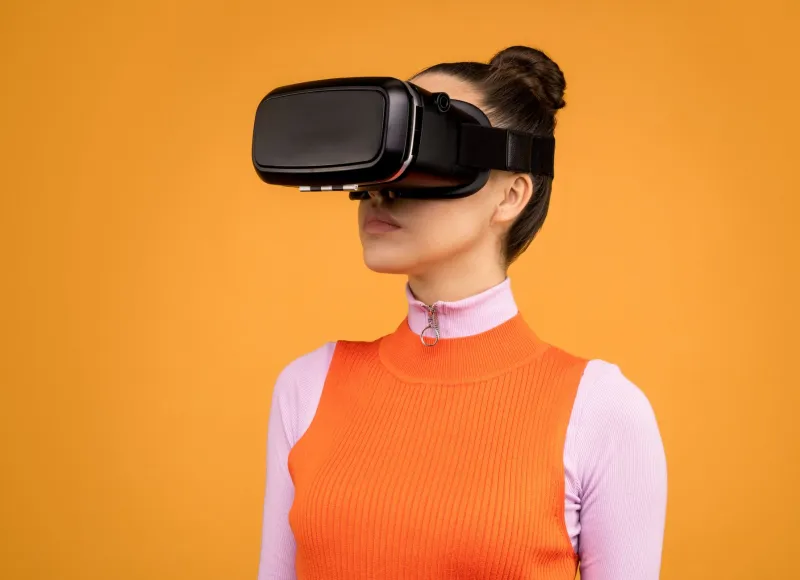
Fast forward to now, and devices like the Meta Quest 3 and PlayStation VR2 have genuinely changed the equation. Higher pixel density, wider fields of view, and better motion tracking have made the experience feel substantially more natural. For adult content specifically — where the entire draw is presence and intimacy — those hardware improvements aren't just incremental. They're kind of a big deal.
Adult streaming platforms have noticed. Several major players have quietly built out dedicated VR libraries, and some newer platforms launched with VR as a core feature rather than a bolt-on. The content is getting longer, better lit, and more thoughtfully produced. That's not an accident — it's a response to actual viewer demand.
What "Immersive" Actually Means for Adult Content
There's a reason VR found such an eager audience in adult streaming before it cracked mainstream gaming or film in a meaningful way. The appeal isn't spectacle — it's proximity. When the technology works, it creates a sense of being in the room that no flat screen can replicate. For content that's already built around intimacy, that shift in spatial perception hits differently.
The dominant format right now is first-person 180-degree stereoscopic video. It's not full 360 — you're not meant to spin around — but the depth and scale of a well-shot VR scene makes the experience feel genuinely different from watching on a monitor. Performers are aware of this too. The way you perform for a VR camera is a specific skill set, and the creators who've figured it out tend to develop intensely loyal followings.
Interactive elements are starting to layer in on top of that. Some platforms have begun integrating haptic feedback compatibility — meaning certain connected devices can sync with on-screen content. It sounds gimmicky, but early adopters in enthusiast communities are pretty vocal about how much it changes the experience. That's a niche within a niche right now, but it points toward where things are heading.
The Price of Admission
Here's where things get a little complicated for the average viewer. VR content costs significantly more to produce than standard video. You need specialized cameras, more precise lighting setups, and post-production work that's genuinely technical. Platforms have passed some of that cost on to subscribers.
VR tiers on adult streaming platforms typically run anywhere from a few dollars more per month on the low end to nearly double the standard subscription price at the premium level. Some platforms bundle VR access into their top-tier plans, which also tend to include 4K downloads, offline viewing, and early access to new content. Whether that's worth it depends on how committed you are to the format — and whether you already own compatible hardware.
The hardware question is real. A decent standalone headset runs between $300 and $500 at minimum. That's a meaningful upfront cost, and it's probably the single biggest reason VR adult content hasn't fully gone mainstream despite the quality improvements. Streaming platforms can optimize their content all day long, but they can't buy your headset for you.
What Creators Are Getting Out of It
From the performer side, VR is a genuinely interesting creative frontier — and a potential revenue differentiator. Creators who've built audiences around authentic, personal connection are finding that VR amplifies exactly what their fans already love about them. The format rewards presence over production gloss, which plays well for independent creators who aren't working with big studio budgets.
There's also a monetization angle. VR content tends to command higher per-video pricing on clip sites, and the audience for it skews toward viewers who are willing to pay more for quality experiences. Several creators have started treating VR content as a premium tier within their own subscription offerings — a way to reward the most engaged fans while keeping standard content accessible.
The technical learning curve is real, though. Shooting VR requires understanding spatial composition in a way that's different from traditional video. Creators who've taken the time to learn it talk about it almost like learning a new language. Those who haven't often produce content that looks technically correct but feels off in ways that are hard to articulate until you've seen well-done VR by comparison.
Where This Is All Going
The honest answer is that VR adult content is at an inflection point. The technology is good enough now that the experience can be genuinely compelling rather than just novel. The content library has grown large enough that there's real variety and quality to choose from. And the hardware, while still an investment, is more accessible than it's ever been.
What's missing is the tipping point — the moment when enough people own headsets that VR stops being a specialty format and starts being a standard option. Some analysts think that moment is still a few years out. Others point to how quickly adoption accelerated once Meta started pricing the Quest aggressively and argue it could happen faster than expected.
For platforms, the bet is already being placed. The ones investing in VR infrastructure now are positioning themselves for a viewer base that may look very different in three to five years. For viewers, the question is simpler: if you've got the hardware and you haven't explored what VR adult content looks like in 2024, you might be working with an outdated impression of what the format can do.
It's not perfect. It's not for everyone. But it's a lot further along than most people realize.